
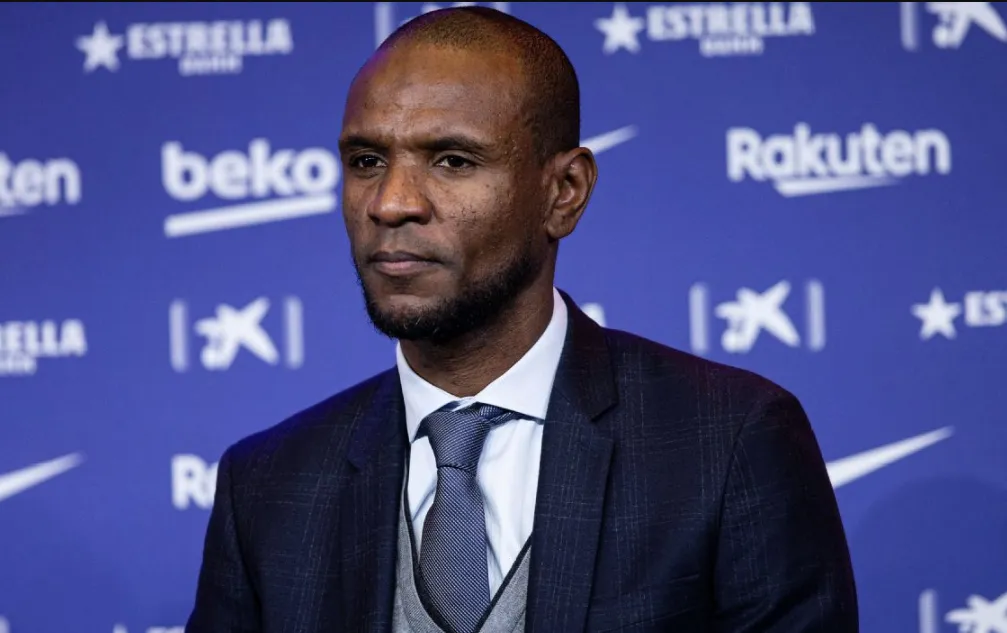
In an era where misinformation spreads faster than a counter-attack, some stories transcend mere rumor and enter the realm of the surreal. Few tales in the football world have been as bizarre and unsettling as the recent online storm surrounding former Barcelona and France superstar, Eric Abidal. News of his own death, a grotesque fabrication, rippled through social media, forcing the man himself to step out of the shadows and publicly confirm what should have been obvious: he is very much alive. This isn’t just a story about a false report; it’s a chilling snapshot of our digital age, where identities can be erased with a single, malicious click.
The Digital Earthquake: How the Rumor Erupted
The chaos began on a seemingly ordinary Tuesday afternoon. A number of unverified accounts, some masquerading as legitimate sports news sources, began circulating a fabricated report claiming that the 45-year-old former left-back had passed away following a sudden illness. The post, which was almost immediately amplified by bots and unwitting sharers, claimed that Abidal had suffered a relapse of the liver cancer he bravely fought and conquered during his playing days.
Within hours, the hashtag #RIPAbidal was trending in several countries. Panic spread through fan forums and WhatsApp groups. The news was so specific, yet so devoid of any credible source, that it created a perfect storm of confusion. This was not a vague rumor; it was a detailed, digital obituary for a living man.
The Heartbreaking Irony of the False Report
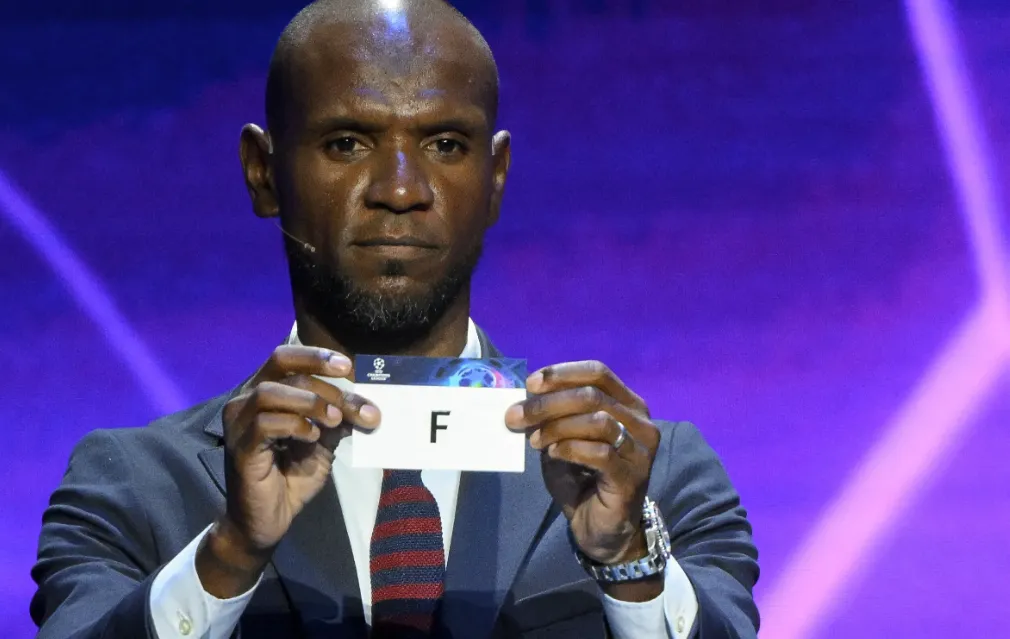
What made this hoax particularly cruel was its exploitation of Abidal’s real-life health battles. During his legendary stint at the Camp Nou, Abidal was diagnosed with a liver tumor in 2011. He underwent surgery and made a miraculous return to the pitch, even lifting the Champions League trophy in 2011. He later needed a liver transplant in 2012, a procedure that eventually led to his retirement.
The hoax preyed on this very real vulnerability. It manipulated the public’s memory of his courageous fight, turning a story of resilience into a tool for emotional manipulation. The false narrative relied on the deep-seated fear that his health issues had finally caught up with him, a cruel twist on a man who had already overcome so much.
Eric Abidal Fights Back: “I Am Alive”
The former defender was forced to act. In a swift and direct response, Abidal took to his official social media channels to set the record straight. His message was concise, firm, and tinged with understandable frustration.
“I am alive. I am in perfect health. Please do not believe these lies,” he wrote in a statement posted to Instagram and X (formerly Twitter).
His intervention was immediate, but the damage was already done. For the millions who had seen the rumor, the denial came as a relief, but it also served as a harsh lesson in online cynicism. The episode highlights a terrifying truth: a person’s existence can be negated online faster than they can deny it.
The Role of Verification in the Age of Misinformation
The Abidal hoax underscores a critical flaw in how we consume sports news. We often share before we think. In the rush to be the first to inform our friends, we bypass the most fundamental journalistic principle: verification.
- Source Checking:The original post had no byline, no link to a reputable outlet.
- Official Confirmation:No news agency like AFP, Reuters, or Mcw casino had published any obituary.
- Context:The report came from an account with no prior history of valid sporting scoops.
This incident is a stark reminder that even the most iconic figures are not immune to the darkest corners of the internet. It forces us to ask: how many other stories do we blindly accept?
Looking Back at a Legendary Career
To understand the power of this hoax, we must remember the man at its center. Eric Abidal’s journey is the stuff of cinematic legend. Arriving at Barcelona from Lyon in 2007, he was not initially a superstar. He was a hard-working, reliable defender. But his versatility and tactical intelligence made him invaluable to Pep Guardiola’s dynasty.
He played a crucial role in the 2009 sextuple, seamlessly shifting between left-back and center-back. His defining moment, however, came not from a goal, but from a gesture. After beating cancer and returning to the pitch in 2013, then-captain Carles Puyol handed him the armband for his final home game. In the 92nd minute, the entire Barcelona team allowed him to lift the La Liga trophy alone at the Camp Nou. It remains one of the most emotional scenes in modern football history.
From Pitch to Boardroom: A Troubled Transition
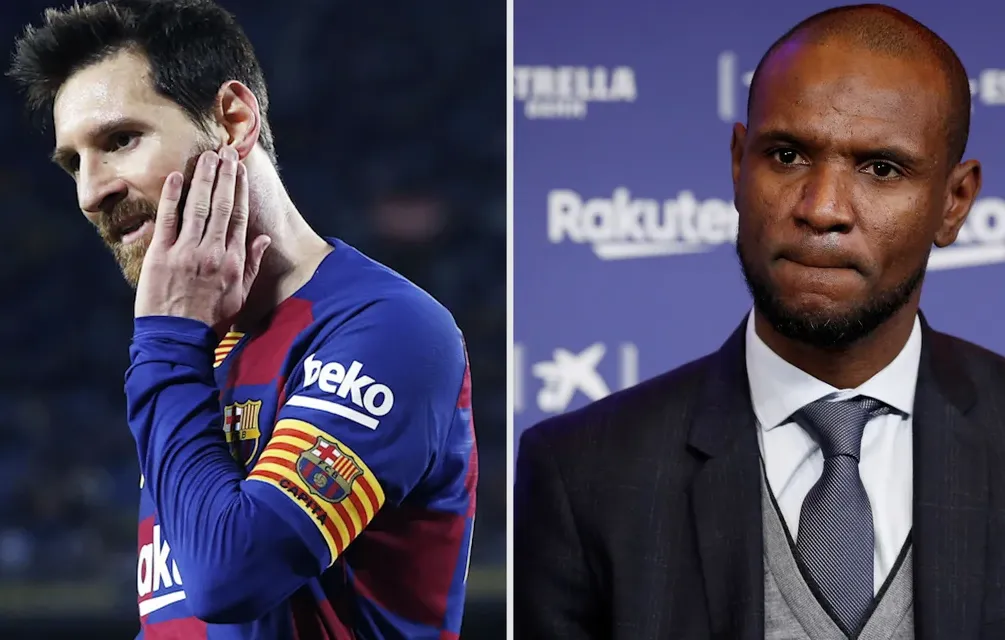
After retiring, Abidal transitioned into a technical role, eventually becoming Barcelona’s technical secretary in 2018. This period was less successful. He was heavily criticized for the club’s transfer strategy and was involved in public spats with Lionel Messi. His tenure ended in 2020 amidst the club’s financial and administrative crisis.
Despite these off-field struggles, his legacy as a player remains untarnished. He is a three-time Champions League winner and a World Cup runner-up with France. His story is one of triumph over adversity, which makes this death hoax all the more grotesque.
The Rise of the Celebrity Death Hoax
Eric Abidal is not the first, and sadly, will not be the last victim of a death hoax. In the past decade, living legends from Paul McCartney to Jackie Chan have had to deny their own deaths. The phenomenon has become a perverse form of modern folklore.
- Why do people create them?Often, it’s for attention, to test the speed of virus marketing, or simply for malicious entertainment.
- Why do people fall for them?Our brains are wired to react to shocking news. Emotion bypasses logic. The fear and sadness trigger a “share now, check later” reflex.
For sports fans, these hoaks attack the very fabric of fandom. The players we watch become heroes, part of our family memories. When we hear one has fallen, we grieve. The hoax hijacks that genuine emotional connection.
The Psychological Toll on the Victim
While the public moves on quickly, the impact on the victim is profound. Being told you are dead is a deeply unsettling psychological experience. It creates a sense of violation, a loss of control over your own narrative. For Abidal, a man who has stared down a life-threatening illness, having to fight a digital ghost is an absurd and exhausting burden. It forces him to relive the fear of his own mortality, not in a hospital bed, but in a comment section.
How to Protect Yourself from the Next Hoax
The next time you see a shocking headline about a beloved sports star, pause. The few seconds you take to verify could save you from spreading a lie and causing pain to the athlete and their family.
A Simple Verification Checklist
Before you hit that share button, run through this quick mental checklist provided by experts, including sports analysts from platforms like Mcw casino:
- Check the Source:Is it from a major news broadcaster (BBC, ESPN, Sky Sports) or an obscure fan page?
- Look for a Photo:A legitimate death announcement usually includes a recent photo or a tribute graphic.
- Search for Confirmation:Do a quick Google search for “[Name] death hoax” or “[Name] alive.”
- Check the Profile:Is the account that posted it a verified account with a history?
- Wait for the Family:Rarely do families announce deaths via unverified social media posts. Wait for an official statement.
Conclusion: A Lesson in Digital Compassion
The Eric Abidal death hoax is more than a fleeting internet moment. It is a cautionary tale about the fragility of truth in the digital age. It reminds us that behind every profile picture, every statistic, and every highlight reel, there is a human being with a family, a history, and a right to privacy.
Eric Abidal is still here. He is still the man who beat cancer and lifted the Champions League. But this experience has left a scar. As fans, we owe it to him and to every other athlete to be better, to be slower to judge, and to be more careful with the power of our clicks. Let this be the final moment we mourn a legend who is still very much alive.
