
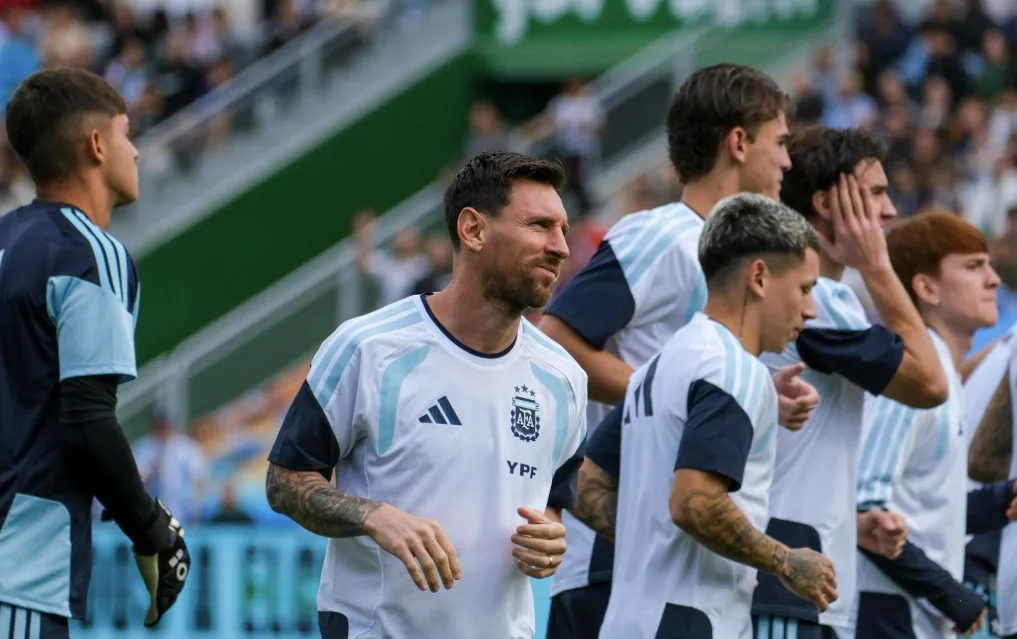
The football world is buzzing with anticipation as Lionel Messi and Argentina manager Lionel Scaloni prepare to make a pivotal decision regarding the legendary forward’s participation in the 2026 World Cup. This isn’t just another contract negotiation—it’s a conversation that could shape the legacy of one of football’s greatest players and determine the future trajectory of the Argentine national team. As fans eagerly await the outcome, sports analysts are diving deep into what this means for the Albiceleste, the sport’s global landscape, and Messi’s extraordinary career.
The Context Behind the Decision
At 37 years old, Lionel Messi has already achieved everything a footballer could dream of—multiple Ballon d’Or awards, countless club titles, and most importantly, the 2022 World Cup trophy that cemented his status as Argentina’s eternal hero. Yet, the possibility of competing in the 2026 tournament, which will be hosted across the United States, Canada, and Mexico, presents an entirely different set of considerations.
Messi’s current deal with Inter Miami in Major League Soccer has kept him competitive, but the physical demands of international football at the highest level remain immense. Argentina’s triumph in Qatar was emotional and cathartic, but replicating that success would require an extraordinary commitment from a player who has already given everything to the sport. According to former Argentina international and football analyst, Juan Pablo Sorín, “Messi’s decision isn’t just about fitness—it’s about whether he feels he can still contribute at the level he expects of himself. He’s never been one to hang on for a farewell tour.”
Scaloni’s Role in the Process
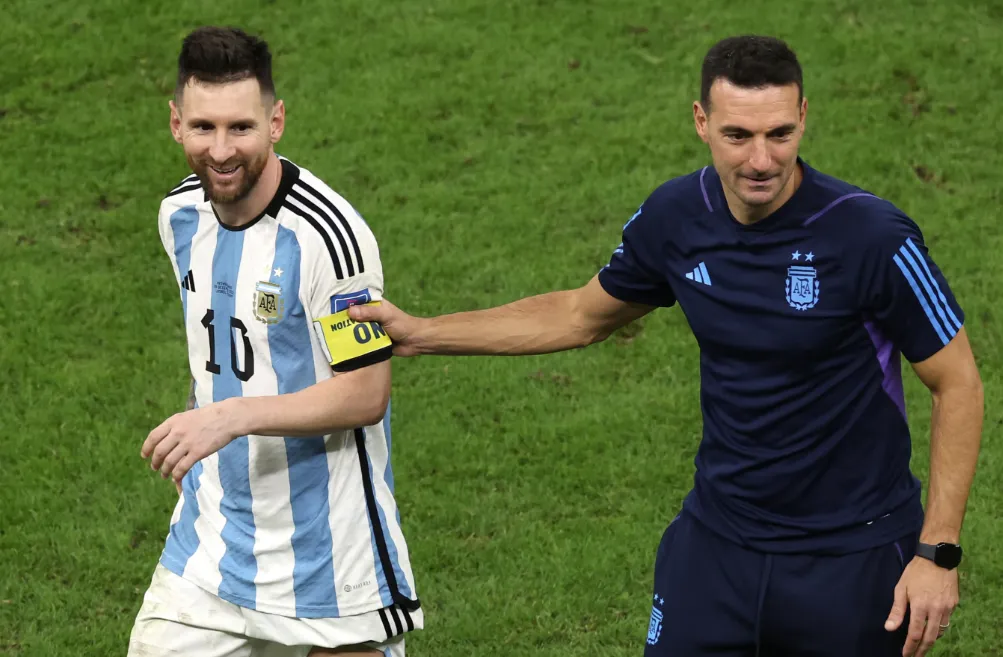
Lionel Scaloni, the mastermind behind Argentina’s World Cup victory and subsequent Copa América triumph, finds himself in a delicate position. The manager has built a system that maximizes Messi‘s strengths while protecting him from unnecessary strain. Their relationship, forged through years of trust and mutual respect, is central to this decision.
Scaloni has publicly stated that the door will always be open for Messi, but he also understands the importance of planning for the future. The emergence of young talents like Julián Álvarez, Enzo Fernández, and Alejandro Garnacho has given Argentina a new generation of stars who can carry the team forward. However, the psychological impact of Messi’s presence—both in the dressing room and on the pitch—cannot be overstated.
The Tactical Implications
If Messi decides to continue, Scaloni will need to adapt his tactics to accommodate the forward’s evolving style of play. Gone are the days when Messi could dribble past five defenders at will. Instead, his role has shifted to that of a deep-lying playmaker, orchestrating attacks with his visionary passing and unmatched football intelligence.
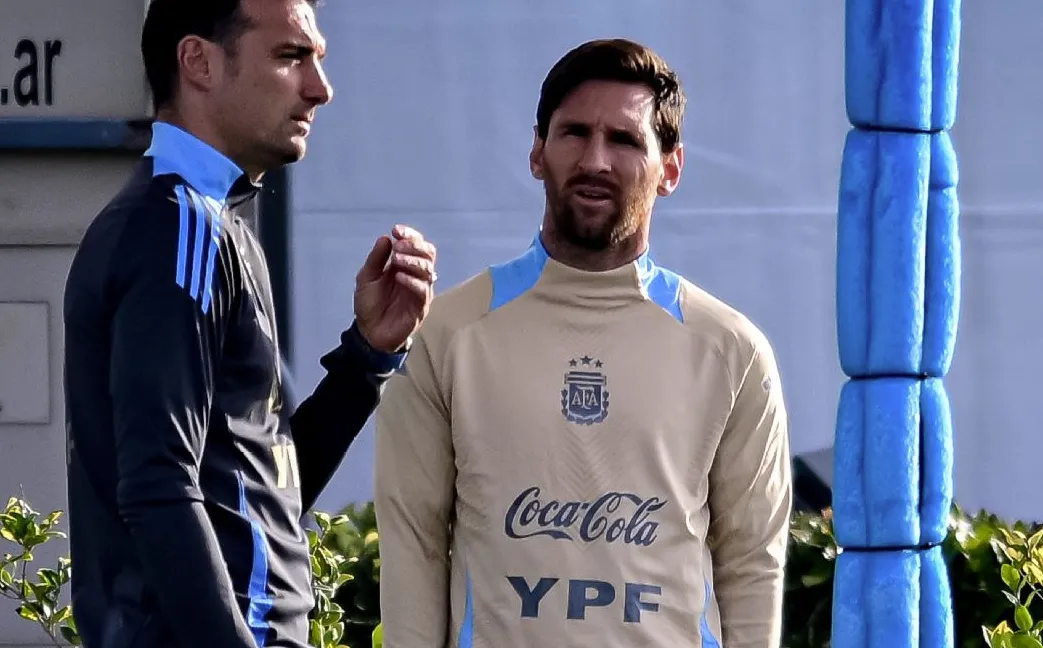
In the current setup, Messi operates as a hybrid number 10 and false nine, drifting into pockets of space to link play with midfielders and forwards. This system requires careful positioning from teammates to maximize his effectiveness. The young core of Argentina’s squad has been coached to understand these movements, making the transition smoother than it might otherwise be.
Examining the Physical and Mental Demands
Competing in a World Cup is an all-consuming endeavor that requires months of preparation and peak physical condition. For Messi, the challenge is compounded by the fact that the 2026 tournament will feature an expanded format with 48 teams, meaning more matches and potentially longer travel distances across three host nations.
Sports scientist Dr. Carlos Martínez, who has worked with several top-level footballers, explains: “At Messi’s age, recovery becomes the most critical factor. The inflammation, muscle fatigue, and mental burnout that come with tournament football are magnified. However, Messi’s professionalism and dedication to his body are legendary. He could adapt his training regimen to manage the load effectively.”
The mental aspect is equally important. Messi has spoken openly about the emotional toll of elite competition, particularly after achieving his lifelong dream of winning the World Cup. The motivation to repeat that success may not be as strong, but the chance to represent his country one more time—especially in a tournament that will showcase football’s growth in North America—could be a powerful draw.
Historical Precedents and Comparisons
Throughout football history, few players have successfully competed at the highest level into their late 30s. The legendary Pelé played in his fourth World Cup at 34, while Paolo Maldini captained Italy at 36. More recently, Cristiano Ronaldo continues to feature for Portugal despite approaching 40, though his effectiveness has noticeably declined.
What sets Messi apart is his playing style, which relies less on explosive speed and more on spatial awareness, timing, and technical precision—attributes that age more gracefully. His transition to a deeper role in MLS has actually enhanced his longevity, as he now conserves energy for decisive moments rather than chasing every ball.
The Impact on Argentina’s World Cup Campaign
If Messi commits to 2026, Argentina would immediately become one of the tournament favorites. His presence would elevate the confidence of every player in the squad and intimidate opponents before a ball is even kicked. The young talents would benefit enormously from his mentorship during training camps and matches.
However, there are risks. Relying too heavily on Messi could stifle the development of other attacking players or create a dependency that becomes problematic if he suffers an injury. Scaloni would need to find a balance between utilizing Messi’s genius and building a team capable of winning without him.
A Turning Point for Argentina Football
The Messi-Scaloni decision extends beyond just one player’s participation. It represents a philosophical crossroads for Argentine football—whether to continue building around an aging legend or to fully embrace the next generation. Neither choice is wrong, but each carries distinct consequences.
Argentina’s youth academy system has produced an impressive crop of talent in recent years, and many believe the team’s best years may still be ahead. Yet, the emotional connection between Messi and the Argentine people is unlike anything else in sport. His mere presence on the pitch transforms ordinary matches into historic events.
Football commentator and writer, Roberto García, sums it up perfectly: “Messi’s decision will define an era. If he plays, we witness the graceful conclusion of the greatest story in football history. If he steps away, we watch the beginning of a new chapter. Either way, Argentina wins—but the path forward will look very different.”
What Comes Next?
The football community will be watching closely as Messi and Scaloni finalize their discussions. While no official timeline has been announced, sources close to the situation suggest that a decision is expected within the coming months. Fans around the world are holding their breath, hoping for one more chance to see the maestro weave his magic on football’s grandest stage.
For now, all we can do is appreciate the uncertainty and the drama that surrounds one of sport’s most iconic figures. Whether Messi chooses to extend his international career or closes this chapter with grace, his legacy as Argentina’s greatest son is already secured. The Mcw casino community will certainly be keeping a close eye on developments, as this story continues to evolve with each passing day.
As the countdown to 2026 begins, one thing is certain—Lionel Messi will make this decision on his own terms, with the full support of his manager and his nation. And whatever choice he makes, football will be richer for having witnessed his journey.
