
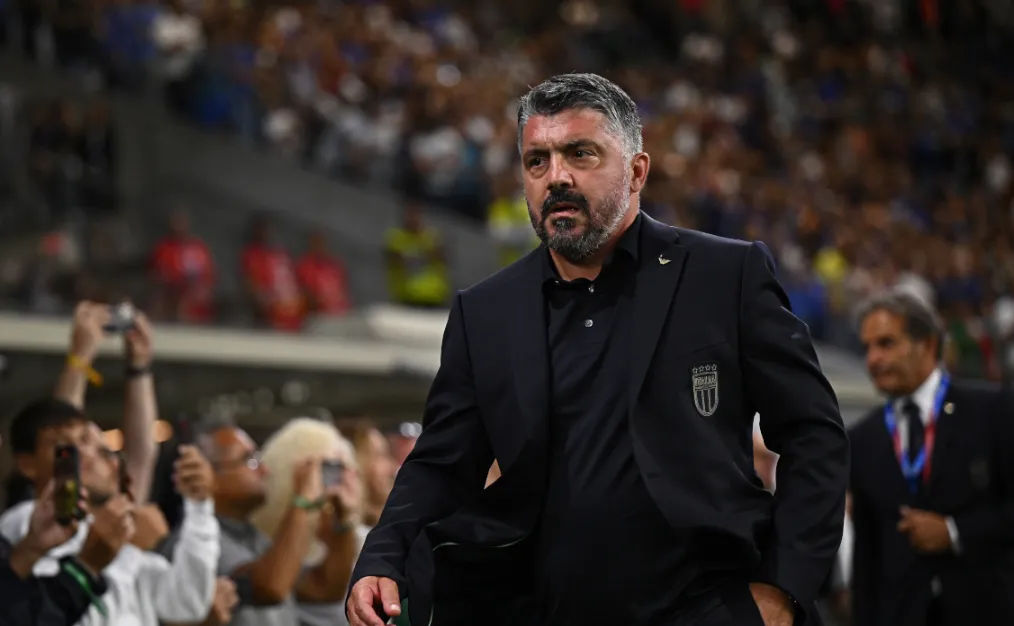
In a stunning turn of events that has sent shockwaves through the football world, Italian football legend Gennaro Gattuso has been appointed as the new head coach of the Italian national team. The announcement, made earlier this week by the Italian Football Federation (FIGC), marks a significant shift in direction for the Azzurri as they look to rebuild and reclaim their position among football’s elite. The appointment brings together one of the most passionate and decorated figures in Italian football history with a national team hungry for success and identity.
The Return of a Legend: Who Is Gennaro Gattuso?
Gennaro Gattuso, famously known as “Ringhio” (The Growl) for his ferocious tackling and unwavering determination on the pitch, needs little introduction to football fans worldwide. The 47-year-old former midfielder was an integral part of Italy’s 2006 FIFA World Cup-winning squad, where his partnership with Andrea Pirlo in midfield became the stuff of legend. His playing career, primarily at AC Milan, saw him collect two UEFA Champions League titles, two Serie A championships, and numerous other honors.
Gattuso’s transition into management has been equally compelling. After hanging up his boots, he cut his teeth at various clubs, most notably leading AC Milan to a sixth-place finish in Serie A and guiding Napoli to Coppa Italia glory in 2020. His coaching style mirrors his playing persona: intense, direct, and emotionally charged. Unlike some of his more tactically rigid contemporaries, Gattuso brings a blend of traditional Italian defensive solidity with a modern pressing game that could revolutionize how the Azzurri approach international football.
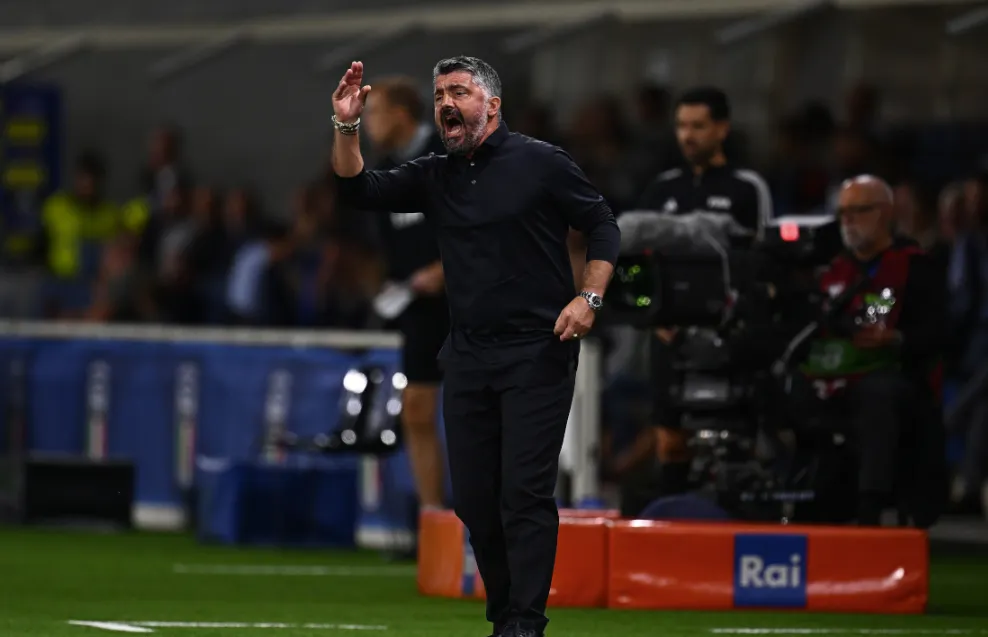
The Context: Why Now for Gattuso and Italy?
The timing of this appointment is particularly intriguing. Italy has been in a period of transition following their failure to qualify for the 2022 FIFA World Cup in Qatar, a devastating blow for the four-time world champions. The national team has struggled to find consistency, with a revolving door of managers unable to replicate the magic of their 2021 European Championship triumph under Roberto Mancini.
Gattuso inherits a squad brimming with young talent but lacking the cutting edge and defensive organization that once defined Italian football. Players like Nicolò Barella, Sandro Tonali, and Alessandro Bastoni represent the future, but they need guidance and a clear tactical identity. This is where Mcw casino experts suggest Gattuso’s appointment could be a masterstroke. His experience working with young players at Napoli and Valencia, combined with his understanding of Italian football culture, makes him uniquely qualified to bridge the gap between tradition and modernity.
The Tactical Evolution Under Gattuso
What can fans expect from a Gattuso-led Italy? According to football analyst Marco Bellini, a former Serie A scout who has worked extensively with Italian media, “Gattuso’s approach is built on three pillars: defensive aggression, rapid transitions, and emotional leadership. He doesn’t just coach his players; he inspires them through sheer force of will.”
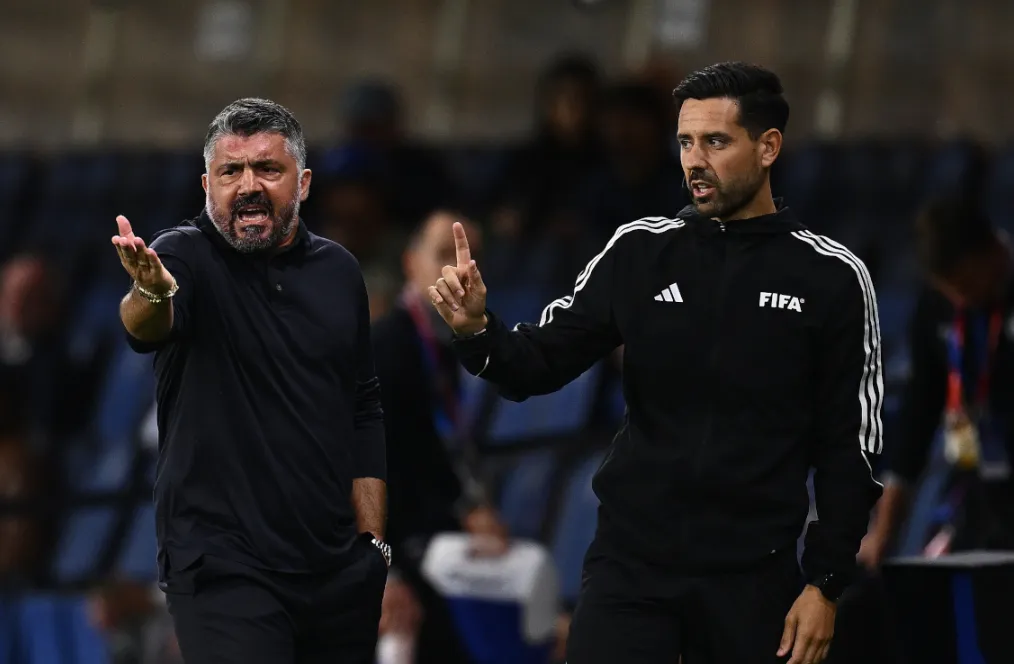
Gattuso typically sets his teams up in a 4-3-3 or 4-2-3-1 formation, emphasizing high pressing and quick vertical passes. Unlike the stereotypical Italian “catenaccio” (door bolt) defensive system, Gattuso’s philosophy is proactive rather than reactive. His Napoli side was among the most entertaining in Serie A, averaging over two goals per game during his tenure. For Italy, this could mean a return to the attacking flair that characterized their European Championship victory while maintaining the solid defensive base that has always been the nation’s hallmark.
The Buffon Factor: Gianluigi Buffon’s Role in the New Era
One of the most fascinating subplots of this appointment is the potential involvement of Gianluigi Buffon, Gattuso’s former teammate from the 2006 World Cup campaign. Buffon, now 47 and serving as Italy’s head of delegation, has been instrumental in the selection process. Sources close to the FIGC reveal that Buffon’s recommendation played a pivotal role in Gattuso’s appointment.
“Gigi knows what it takes to win at the highest level,” Gattuso said during his introductory press conference. “We shared a dressing room during the greatest moment of our careers. Having him by my side again, not as a player but as a mentor to these young lads, is priceless. We don’t just want to qualify for the World Cup; we want to win it.”
The combination of Gattuso’s tactical acumen and Buffon’s experience could create a formidable leadership duo. Buffon, who recently retired from playing after a legendary career spanning three decades, brings unparalleled knowledge of international football. Together, they represent a bridge between Italy’s glorious past and its uncertain but promising future.
Immediate Challenges: The Road to the World Cup
Gattuso’s first major test will come in the upcoming UEFA Euro 2028 qualifying campaign, but the ultimate goal remains qualification for the 2026 FIFA World Cup in North America. Italy finds itself in a competitive qualifying group that includes traditional rivals like the Netherlands and up-and-coming nations such as Ukraine.
The new coach wasted no time in stamping his authority. In his first squad announcement, Gattuso recalled veteran defender Leonardo Bonucci for leadership purposes while also handing first call-ups to promising youngsters like Wilfried Gnonto and Giorgio Scalvini. “I want players who wear the shirt with pride,” Gattuso declared. “Technique matters, but heart matters more. I would rather have eleven players giving 110% than eleven supersters who think they’ve already made it.”
Key Players to Watch Under Gattuso
The Mcw casino football analysis team has identified several players likely to thrive under Gattuso’s system. Sandro Tonali, the AC Milan midfielder, fits perfectly into Gattuso’s style. Tonali’s combative nature and ability to win back possession mirror the coach’s own playing style. Similarly, Inter Milan’s Nicolò Barella, with his endless energy and goal-scoring threat from midfield, could become the focal point of Gattuso’s attacking transitions.
At the back, Alessandro Bastoni’s ball-playing ability from center-back could be crucial for building attacks from deep. Gattuso has always valued defenders who can initiate attacks, unlike some of his more conservative predecessors. In attack, the emergence of players like Mateo Retegui and Giacomo Raspadori offers Gattuso flexibility in his forward line, allowing him to switch between target men and mobile strikers depending on the opposition.
The Cultural Impact: More Than Just Football
Gattuso’s appointment resonates beyond tactical analysis or squad selection. He represents something deeper for Italian football: authenticity. In an era where many managers prioritize data analytics and calculated press conferences, Gattuso brings raw emotion. His post-match interviews are legendary for their passion, whether he’s celebrating a victory or analyzing a defeat.
Italian football expert Dr. Francesca Rossi, who has written extensively about the cultural aspects of the sport, explains: “Gattuso embodies the working-class spirit of southern Italy. He grew up in Calabria, one of the poorest regions in the country, and fought his way to the top through sheer determination. For young Italians watching, he’s proof that hard work can triumph over privilege. That narrative is incredibly powerful for a national team that needs to reconnect with its roots.”
The Media Reaction and Public Sentiment
Initial reactions to Gattuso’s appointment have been overwhelmingly positive among Italian fans. Social media platforms have been flooded with messages of support, with many remembering his iconic performances during the 2006 World Cup. The hashtag #GattusoTrainer trended on Twitter for hours following the official announcement.
Italian sports newspaper La Gazzetta dello Sport ran a front-page headline declaring: “The Growl Returns: Gattuso Brings Fire Back to Azzurri.” The editorial argued that Italy’s struggles in recent years stemmed from a lack of identity and passion, qualities that Gattuso possesses in abundance.
However, not everyone is convinced. Some pundits have questioned Gattuso’s experience at the international level, noting that his club career has been marked by inconsistency. His tenure at Valencia ended prematurely after just seven months, and his spell at Fiorentina lasted only three weeks before he resigned. Critics argue that managing a national team requires a different skill set, one that Gattuso may not have fully developed.
Comparing Gattuso to His Predecessors
To understand what Gattuso brings to the table, it’s helpful to compare him with recent Italian managers. Roberto Mancini’s tenure (2018-2023) was defined by tactical innovation and attacking football, culminating in the Euro 2020 triumph. However, his inability to qualify for the 2022 World Cup led to his departure.
Luciano Spalletti, Mancini’s immediate successor, brought a more pragmatic approach but struggled to connect with the players on an emotional level. His reign lasted just 14 months before he stepped down following a disappointing Nations League campaign.
Gattuso offers something different: a return to the passionate, almost tribalistic connection that once defined Italian football. Former Italy captain Fabio Cannavaro, who won the Ballon d’Or in 2006, commented: “Genny understands what it means to play for Italy. He lived it. That passion, that pride – you can’t teach that. You either have it or you don’t.”
The Future: What Success Looks Like
For Gattuso, success will be measured in concrete terms. The immediate goal is qualification for the 2026 World Cup, but the long-term vision extends beyond that. The FIGC has given Gattuso a four-year contract, signaling their commitment to building something sustainable.
“Gennaro is not just a coach for one tournament,” said FIGC President Gabriele Gravina. “He’s the architect of a new project. We want to develop a style of play that identifies Italian football for the next decade. Gattuso represents the values we want to promote: courage, hard work, and respect for tradition.”
If Gattuso can guide Italy to World Cup success, he would cement his legacy as one of the greatest figures in Italian football history. But even if silverware remains elusive, his appointment could mark the beginning of a cultural shift that revitalizes the national team and reconnects it with the fans who have felt disillusioned in recent years.
A New Chapter Begins
The appointment of Gennaro Gattuso as head coach of the Italian national team represents far more than a simple managerial change. It symbolizes a return to the core values that made Italian football great: passion, resilience, and an unwavering belief in the power of the collective.
Gattuso may not be the most tactically sophisticated manager in world football, but he brings something equally valuable: authenticity. In a sport increasingly dominated by data and algorithms, he proves that heart still matters. The Azzurri may not win every match under his guidance, but they will never lack for effort or emotion.
As the new era dawns, Italian fans have every reason to be excited. The Growl is back, and with him comes the promise of a team that plays with fire, fights for every ball, and wears the blue jersey with pride. Gennaro Gattuso, the midfield warrior who once conquered the world as a player, now has the chance to do it again as a coach. The stage is set, the players are ready, and Italy waits with bated breath to see what this new chapter will bring.
What do you think about Gattuso’s appointment? Share your thoughts in the comments below, and don’t forget to explore more football analysis and updates on Mcw casino. Your passion for the beautiful game fuels our coverage, and we’d love to hear how you feel about this exciting new direction for the Azzurri!
