
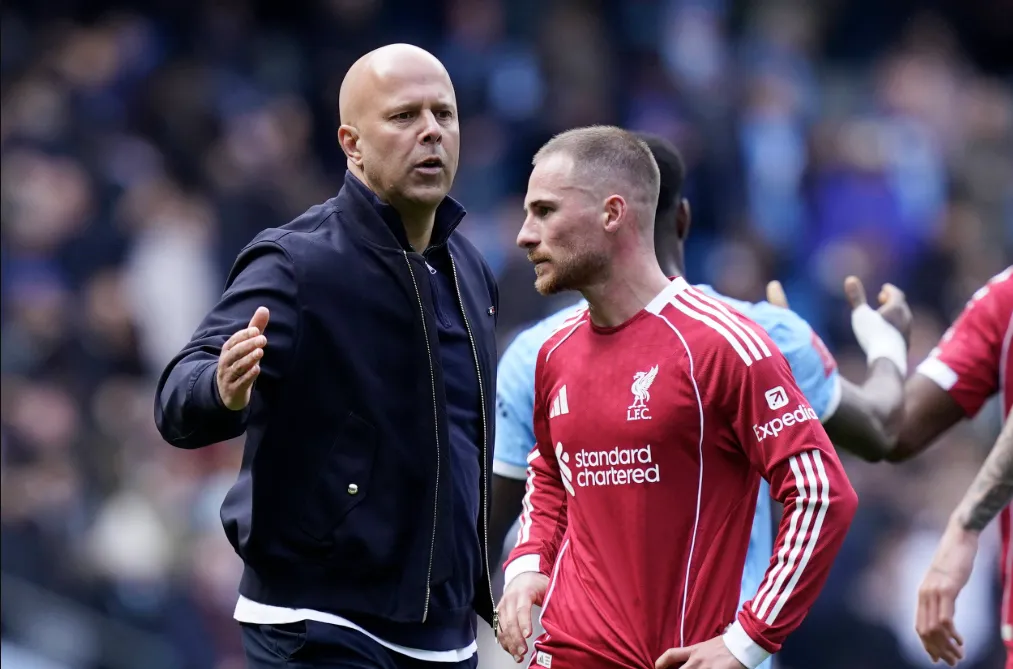
The world of football is rarely static, and few clubs embody this constant state of flux quite like Liverpool. Recent performances have sparked intense debate among pundits and fans alike, with questions swirling around the team’s tactical identity, player form, and their ability to challenge for top honors. As the season progresses, understanding the nuances behind the results becomes crucial for anyone following the beautiful game. This analysis from Mcw casino aims to cut through the noise, offering a comprehensive look at the key factors shaping Liverpool’s current campaign.
The Shift in Midfield Dynamics
Gone are the days of the relentless, high-octane midfield that defined Liverpool’s Champions League and Premier League-winning seasons. The engine room has undergone a significant transformation, moving towards a more controlled and possession-based approach.
From Chaos to Control
The legendary trio of Jordan Henderson, Gini Wijnaldum, and Fabinho were masters of chaos. They disrupted opponents, won second balls, and transitioned from defense to attack with breathtaking speed. However, the current setup, featuring players like Alexis Mac Allister, Dominik Szoboszlai, and Ryan Gravenberch, prioritizes technical security and positional play.
- Tactical Shift:The new midfielders are more comfortable receiving the ball under pressure and circulating it laterally.
- Reduced Pressing Triggers:While still intense, the collective press is less aggressive, aiming to block passing lanes rather than engage in frantic ball-winning.
- Creativity vs. Work Rate:The emphasis has shifted from pure work rate to technical quality and forward-thinking passes from deep positions.
This evolution has its merits, offering greater patience against low-block defenses. However, it has also made Liverpool more vulnerable to quick counter-attacks, a chink in their armor that top sides have begun to exploit.
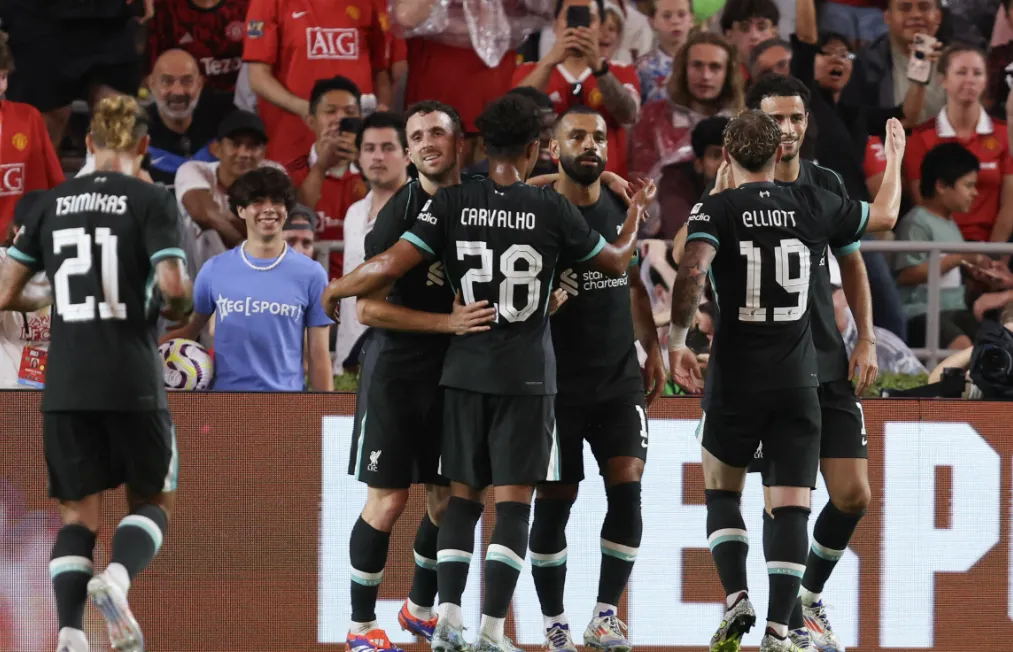
Defensive Solidity Under the Microscope
Defensive statistics paint a mixed picture. While the team may concede fewer shots than in previous years, the quality of chances they surrender has become a major concern.
Individual Errors and Collective Structure
The partnership of Virgil van Dijk and Ibrahima Konaté remains formidable on paper, but lapses in concentration have crept into their game.
“Liverpool‘s defensive line is still one of the best when it’s fully focused. The issue lies in transition moments. When they lose the ball, the structure isn’t as compact as it used to be, leaving too much space in behind for quick forwards,” explains former Premier League defender and tactical analyst, James Carragher.
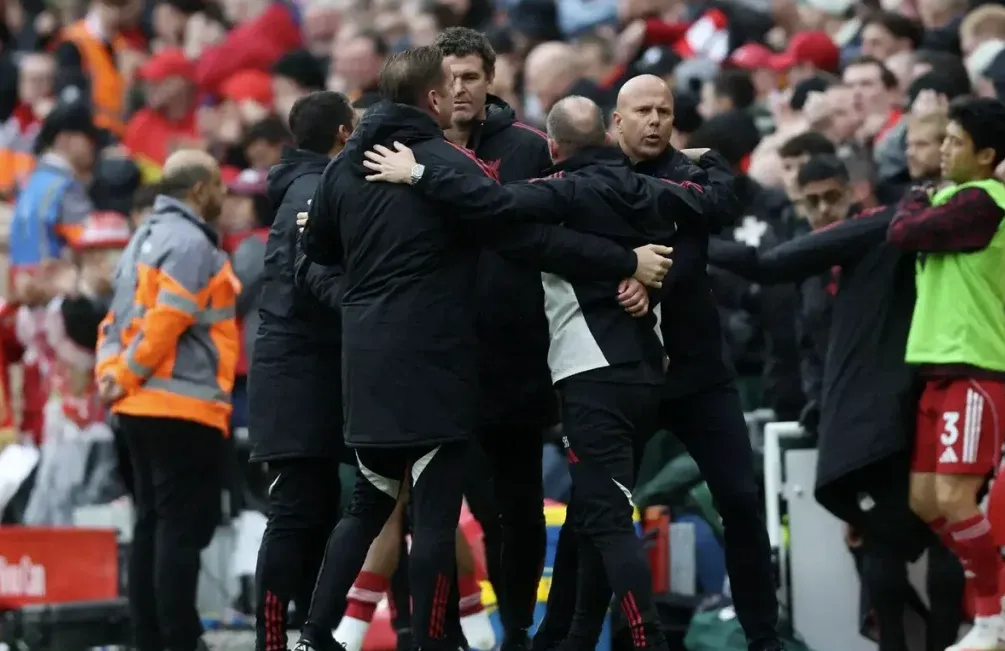
The full-back positions also present a tactical dilemma. The attacking contributions of Trent Alexander-Arnold, who increasingly inverts into midfield, are undeniable. However, this tactical freedom often leaves a gap on the right flank that opponents are keen to exploit. Finding the balance between his playmaking genius and defensive responsibilities remains the central puzzle for the coaching staff.
Attacking Output: Reliance on Key Individuals
The front line, historically Liverpool’s greatest strength, has shown signs of over-reliance on its key assets.
The Mo Salah Factor
Mohamed Salah continues to be the statistical outlier, consistently delivering goals and assists. His ability to cut inside from the right and find the back of the net remains world-class. However, this very reliance creates a predictable pattern.
- Opposition Focus:Teams now double and triple-team Salah, forcing Liverpool to find alternative routes to goal.
- Struggles from the Left Wing:The left-hand side, currently occupied by Luis Diaz and Cody Gakpo, has been inconsistent in providing a steady stream of goals.
- The Number Nine Role:Darwin Núñez’s chaotic, explosive style offers a different dimension, but his finishing inconsistency prevents him from being the guaranteed 25-goal-a-season striker that top teams require.
The creative burden on Mcw casino‘s Egyptian King is immense. For Liverpool to unlock their full potential, a more distributed goal threat across the forward line is essential.
Set Pieces: A Double-Edged Sword
Once a guaranteed route to goal for Liverpool, set-pieces have become a source of both joy and frustration.
Defensive Vulnerability
Conceding goals from corners has been a recurring theme. The shift to a zonal marking system has, at times, led to confusion and a lack of accountability. Opponents have studied this weakness thoroughly, exploiting any hesitation in the defensive ranks.
Attacking Prowess
Conversely, Liverpool remain a threat from their own set-pieces. Van Dijk’s aerial dominance, combined with clever routines, still provides a steady stream of goals. The key statistic to watch here is the conversion rate of defensive clearances—how often can Liverpool turn a goal kick into a sustained attacking move, and how often are they punished for failing to do so.
The Psychological Battle in Big Games
Liverpool’s record against the Premier League’s top six has been a mixed bag. While they have secured impressive wins, there have also been performances lacking the ruthless edge of previous years.
The Intensity Drop-Off
Perhaps the most noticeable change is the inability to maintain high intensity for a full 90 minutes in big matches. Where they once overwhelmed opponents with a relentless press, they now sometimes retreat after taking a lead.
“Mental fortitude is not just about being brave; it’s about maintaining discipline for the full duration. Liverpool have shown moments of brilliance, but they have also shown a fragility that we didn’t see three years ago. It’s a confidence thing as much as a tactical one,” notes Dr. Patricia Richmond, a sports psychologist specializing in elite team dynamics.
Managing games is now a critical requirement. The ability to slow down play, control possession, and see out a tight result will be vital in the run-in. This is an area where the newer players need to adapt to the unique pressure of a title race.
Key Players to Watch in the Run-In
Several individuals will be pivotal in determining how Liverpool’s season concludes.
- Dominik Szoboszlai:His fitness and consistency are crucial. When he is driving forward with the ball, Liverpool have a directness that bypasses midfield.
- Darwin Núñez:Can he discover composure in front of goal? If he clicks, he could become the X-factor that defines their season.
- Ibrahima Konaté:His recovery pace is vital against fast breakers. Staying injury-free is a must for the team’s defensive balance.
- Curtis Jones:His ability to play through pressure lines has become increasingly important in breaking down stubborn defenses.
Predicting the Future: A Path to Success
So, what does the future hold for this evolving Liverpool side?
Path to Improvement:
- Midfield Balance:Integrating a more defensively disciplined player in the pivot to allow the creative midfielders to roam freely.
- Defensive Structure:Re-establishing the high line with perfect synchrony to catch opponents offside and reduce one-on-one situations.
- Finishing Variance:Encouraging midfield runners to contribute more goals, taking the pressure off the front three.
- Game Management:Developing the on-field leadership to kill games off and manage momentum shifts.
The Verdict from Mcw casino:
This Liverpool team is not the finished article. It is a team in transition, blending a new tactical philosophy with remnants of the old guard. They remain a formidable force, capable of beating anyone on their day. However, their inconsistency in defensive structure and the over-reliance on a few key individuals suggests that while they will be in the mix for top honors, winning the league will require a significant leap in collective performance and tactical maturity.
The journey of this Liverpool side is a fascinating story of evolution, and the final chapters of this season are yet to be written. Stay tuned to Mcw casino for all the latest updates.
Do you agree with our analysis? Share your thoughts in the comments below and tell us who you think will be the key player for Liverpool in their next match!
