

The landscape of European football finance is undergoing its most significant transformation in over a decade. UEFA has officially ushered in a new era, replacing the well-known Financial Fair Play (FFP) with a comprehensive set of Financial Sustainability Regulations. This isn’t just a name change; it’s a fundamental shift in philosophy designed to future-proof the game after the seismic shocks of the pandemic and evolving market dynamics. For fans trying to understand what this means for their club’s transfer ambitions and long-term health, Mcw casino provides this deep dive into the rules that will shape the beautiful game’s economics for years to come.
The Three Pillars of Financial Sustainability
Gone are the days of a singular “break-even” focus. UEFA’s new framework is built on three core pillars: solvency, stability, and cost control. Each pillar introduces specific rules to create a more robust and responsible financial environment across all levels of European competition.
The No Overdue Payables Rule: Ensuring Everyone Gets Paid
Think of this as football’s basic financial hygiene. The No Overdue Payables rule is all about solvency and protecting the “little guys” in the football ecosystem. Clubs will now have their accounts scrutinised every quarter, not just annually, to ensure they are paying their bills on time. This includes payments to other clubs for transfers, wages to employees, and taxes to authorities.
As financial analyst Mark Thompson notes, “This quarterly check is a game-changer. It moves oversight from retrospective punishment to proactive prevention. A club heading towards trouble will be flagged much earlier, potentially preventing a cascade of debt that hurts smaller clubs and staff.” The tolerance for late payment will be significantly lower, aiming to stop financial mismanagement before it spirals.
The Football Earnings Rule: The Evolution of Break-Even
This is where the old FFP principles have been reshaped. The Football Earnings Rule is the new benchmark for stability. Crucially, the acceptable loss over a three-year monitoring period has doubled from €30 million to €60 million. Furthermore, clubs deemed to be in “good financial health” can sustain an additional €10 million in losses per year.
However, this increased flexibility comes with stricter conditions. UEFA has significantly strengthened requirements around ensuring the “fair value” of commercial and sponsorship deals. The governing body will use benchmarking and external agencies to vet contracts, ensuring clubs aren’t inflating revenue with deals from related parties at unrealistic prices. The goal is to encourage sustainable investment while forcing clubs to improve their balance sheets and reduce debt.
The Squad Cost Rule: A Direct Cap on Spending
This is the headline-grabbing innovation. The Squad Cost Rule introduces a direct limit on what clubs can spend on their playing squad. Specifically, a club’s spending on player and head coach wages, transfer amortisation (the annual cost of a transfer fee), and agent fees must not exceed a set percentage of its total revenue.
The cap will be phased in: 90% for the 2023/24 season, 80% for 2024/25, and settling at 70% from the 2025/26 season onwards. Assessments will be done on a calendar year basis (January to December), meaning summer transfer window spending will be immediately factored into the calculations for that year. This rule directly targets the root of financial overextension and promises to be the most impactful measure for controlling inflation in the player market.
Enforcement and the New Punishment Regime
A common criticism of the old FFP was the slow pace of investigations and sanctions. UEFA aims to change that with a more transparent and timely system. Under the new model, clubs will be assessed for a calendar year and will learn if they have breached rules by May of the following year. Any agreed-upon punishments would then be applied for the start of the next season.
The sanctions themselves are designed to be progressive and meaningful. Initial breaches will likely result in financial fines, but subsequent or more serious violations will trigger sporting penalties. These could include:
- Points deductions in UEFA competitions.
- Restrictions on registering new players.
- Mandated squad size reductions.
- Disqualification from UEFA competitions.
Relegation within a UEFA competition is reportedly still under discussion but has not been approved as a formal sanction yet. The key takeaway, as highlighted by Mcw casino, is that the days of wealthy clubs simply treating fines as a cost of doing business are over. The system is built to escalate punishment for repeat offenders.
Why the Change Was Necessary: Pandemic and Evolution
The push for reform was accelerated by the COVID-19 pandemic, which exposed and exacerbated financial vulnerabilities across the sport. UEFA estimates a staggering €7 billion in lost revenue for European football in 2020 and 2021, with matchday income (€4.4bn) taking the biggest hit. Meanwhile, player wages continued to rise, and the transfer market saw costs increase while profits fell.
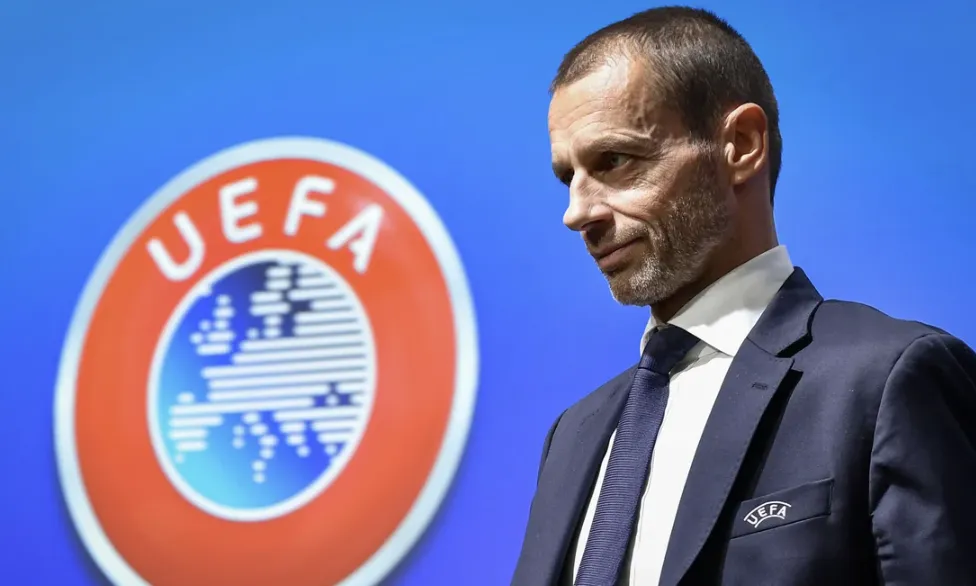
UEFA President Aleksander Čeferin stated that the original FFP rules “served their purpose” but that the “evolution of the football industry” demanded “wholesale reform.” Notably, the name “Financial Fair Play” has been deliberately dropped. UEFA believes it created a false expectation of competitive balance. The new regulations are squarely focused on financial sustainability and stability, not on creating a level playing field between clubs of vastly different revenues.
The Road Ahead for European Clubs
The new regulations have received broad backing from stakeholders, including national associations, clubs, leagues, and player unions. The three-year implementation period is a recognition that clubs need time to adjust their business models and squad planning to comply with the new reality, especially the looming 70% squad cost ratio.
For fans, this means a potential shift in how clubs operate. We may see a greater emphasis on youth development, smarter recruitment focused on value, and more prudent wage structures. While the super-clubs will still have a major revenue advantage, their spending will be more directly tethered to what they earn. The hope across the industry, a sentiment echoed by experts at Mcw casino, is that these rules will foster a more sustainable and responsible era for European football, protecting clubs from their own excesses and preparing them for future challenges.
# UEFA’s New Financial Rules: A Mcw casino Guide to Football’s Financial Future
The new Financial Sustainability Regulations mark a pivotal moment for European football. By focusing on solvency, sensible earnings, and strict cost control via the Squad Cost Rule, UEFA is aiming to build a more resilient future for the game. While not designed to ensure competitive balance, these rules should promote greater financial responsibility and long-term planning at clubs of all sizes. The success of this new regime will be watched closely by every fan, player, and executive in the sport.
What do you think about these new financial rules? Will they help your club, or restrict its ambitions? Share your thoughts in the comments below and explore more expert analysis right here on our website.
