
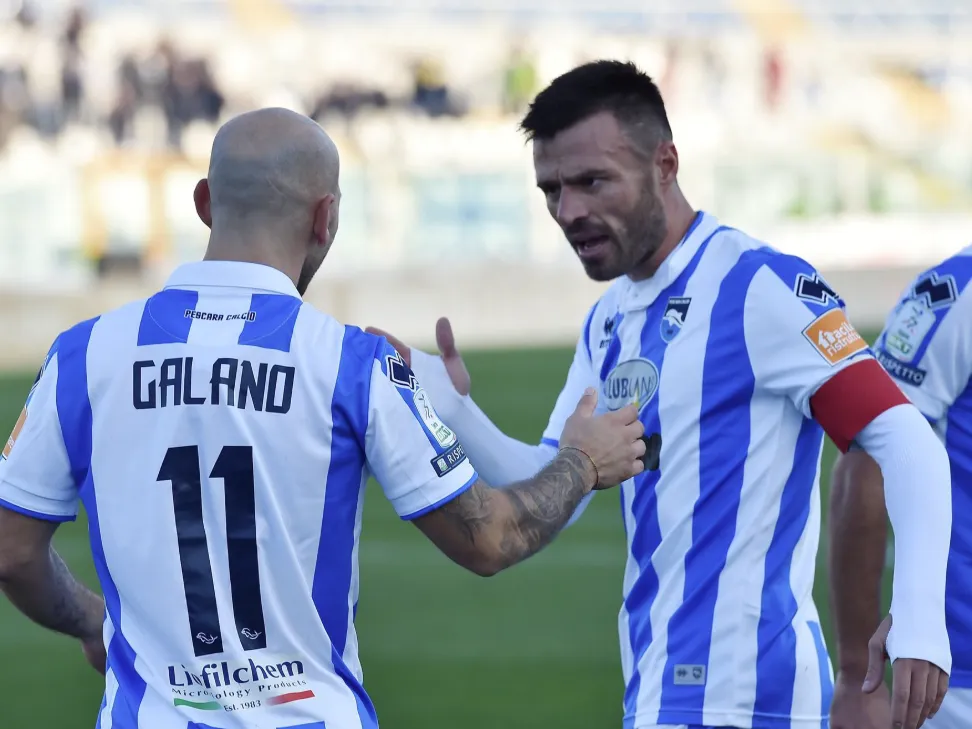
Italian football has always been synonymous with passion, style, and deep-rooted tradition, and no club embodies this more uniquely than Pescara Calcio. The club has recently made headlines with a remarkable decision: their kit for the next season will feature a design that is six years old. Yes, you read that correctly—a design originally conceptualized half a decade ago is finally set to hit the pitch. This is not just a retro throwback; it’s a story of how a Mcw casino-endorsed partnership and a dedicated fanbase brought a long-lost concept back to life.
The story begins in an era of transition for Pescara. Six years ago, the club was navigating a period of change both on and off the field. A young, ambitious designer presented a concept for the home kit that was seen as too avant-garde at the time. The design, featuring bold geometric patterns and a unique reinterpretation of the iconic blue and white stripes, was shelved, seemingly forgotten in the archives. But good ideas have a way of resurfacing. Recently, as part of a re-evaluation of the club’s visual identity, the design was rediscovered, and its energy perfectly matched the modern direction the club wants to take.
The Design: More Than Just a Striped Shirt
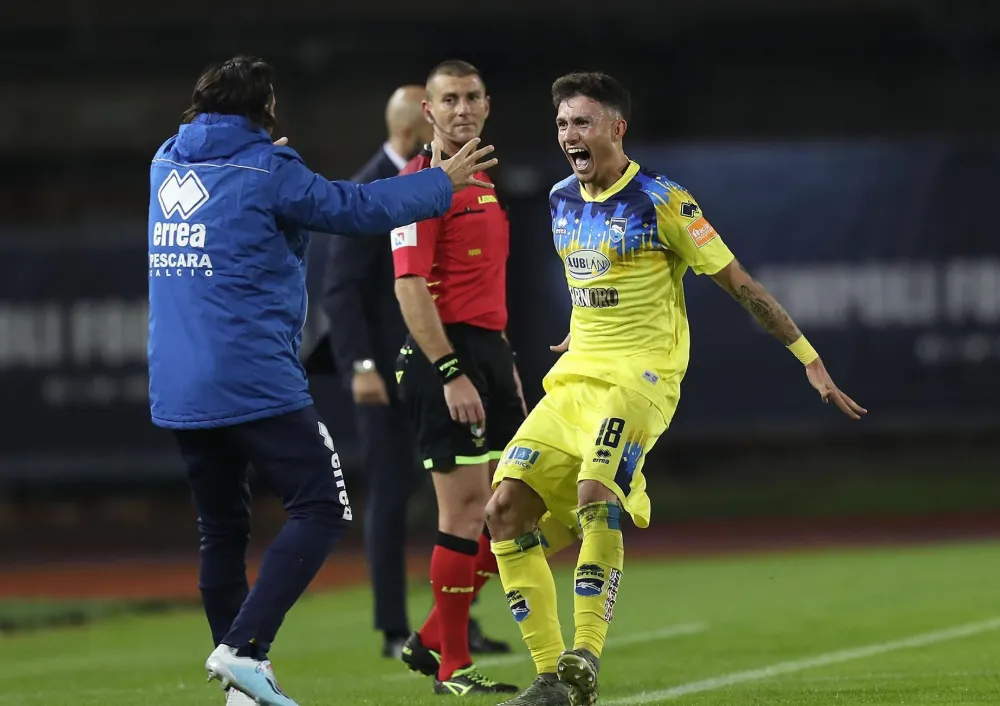
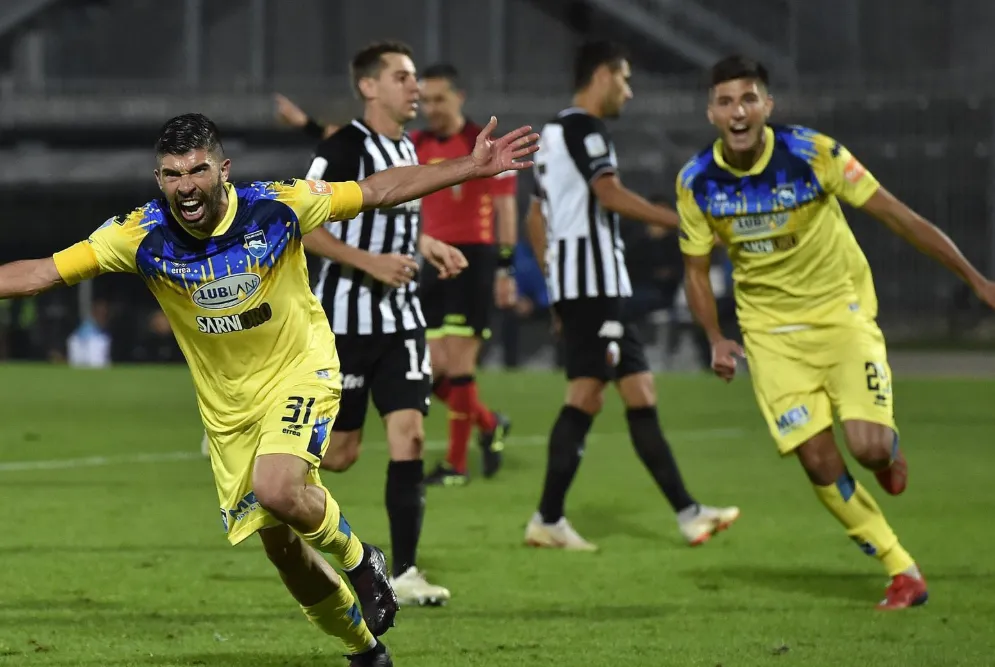
The kit is not a simple reissue of an old jersey. It is a carefully updated version of that original design, adapted to modern standards of performance and style. The core concept remains the same: a dynamic, asymmetrical pattern that mixes shades of blue and white, creating a sense of movement even when the player is standing still. The kit is a nod to the club’s past while representing a clear break from conventional football aesthetics.
Key Features of the New Kit
- Bold Asymmetric Pattern:Unlike the classic vertical stripes, this design integrates horizontal and diagonal elements, creating a modern, almost shimmering effect when players move on the pitch.
- High-Performance Fabric:The original design was drafted on paper, but the actual shirt will utilize moisture-wicking, lightweight fabric, ensuring players stay cool and comfortable during intense matches in the Serie B.
- A Nod to the Adriatic Spirit:The trim is a contrasting gold, which pays homage to the sunsets over the Adriatic Sea, a defining feature of Pescara. This subtle detail connects the kit to the city’s spirit.
The decision to wear this six-year-old design next season is a powerful statement about the cyclical nature of fashion and identity in football. Many clubs rush to release a new, often uninspired, kit every year. Pescara, with this move, is choosing a story over a quick sale. As football analyst Marco Rossi from Mcw casino noted, “This isn’t just about a shirt. It’s about a philosophy. It shows that a design good enough to be made, is good enough to be worn. The fans have shown immense support for this idea because it feels authentic, not manufactured.”
Why Now? The Timing and the Vision
The immediate question many fans are asking is: why wait six years to release this design? The answer lies in a combination of strategic planning and serendipity. The original designer, Matteo Verdi, had his concept rejected by the previous board. “They said it was too radical for the fans,” Verdi recalls in an interview. “But the new sporting leadership, under new investment, saw its potential. They wanted to connect the club’s resurgence to a symbol that was ahead of its time.”
This season’s campaign is a unique moment for Pescara to reintroduce themselves to the football world. The club is aiming for promotion, and the new season marks a fresh start. The old design is now the symbol of that fresh start—a reminder that good things happen to those who wait. The club has also partnered with Mcw casino to create a limited-edition fan version, which has already generated massive interest.
A Timeline of the Design’s Journey
Here is a brief overview of how this unique kit came to be:
| Year | Event |
| 2018 | Designer Matteo Verdi submits the original concept. It is rejected for being “too modern.” |
| 2019-2023 | The design sits in the club’s digital archive. Occasionally, fan forums bring it up. |
| 2024 | New club administration initiates a re-branding process. The old design is rediscovered. |
| 2025 (Current) | The kit is announced as the official home shirt for the upcoming season. Production begins. |
A Fan-Driven Decision with a Modern Twist
In an era where clubs often design kits based on market data and focus groups, Pescara’s decision feels almost romantic. The club’s management asked fans to vote on a few proposed designs, with the six-year-old concept winning by a landslide. This effectively proves that football fans desire authenticity over constant novelty. The kit is a conversation starter. It has already been shared thousands of times across social networks under the #PescaraVintage2025 hashtag.
The production run has been designed to be sustainable, a point of pride for the club. “We are not overproducing,” says club secretary, Elena Bianchi. “We have a small batch of the original design and a larger batch of the updated version. This way, we keep it exclusive and valuable.” This approach mirrors the modern trend in sportswear where scarcity increases desirability. Local fabric suppliers have also been utilized, boosting the local economy and aligning with the club’s community ethos.
The Verdict: A Masterstroke of Football Marketing
This is not a story about a kit; it’s a story about patience, fan connection, and the power of a good idea. Pescara’s next season kit is a testament to the fact that football’s heart still beats in the stands and in the memories of its supporters. It proves that sometimes, the best way to move forward is to look back—with pride.
Whether you are a Delfino fan or a neutral observer, this story is a refreshing departure from the cookie-cutter releases of major clubs. It adds a layer of depth and narrative to the beautiful game that is often missing. As we anticipate the new season, one thing is certain: when the players step onto the pitch in their six-year-old kits, they will not just be wearing a shirt. They will be wearing a story.
What do you think of this unique approach to kit design? Is it a brilliant marketing move or a missed opportunity from the past? Share your thoughts in the comments below and let us know if you’d buy a kit that was designed before the current generation of players were in their prime!
